


Real Car Driving Open Sandbox
4.6257.00 Reviews
App Specs
- Version
- 2.2.2
- Updated On
- License
- Free
- Downloads
- 10,000,000+
- Developer
- Zendios
- Categories
- Racing
- Platform
- Android
Screenshots
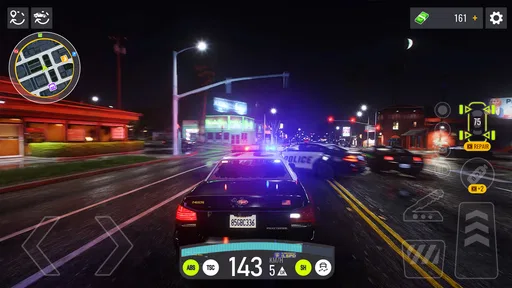
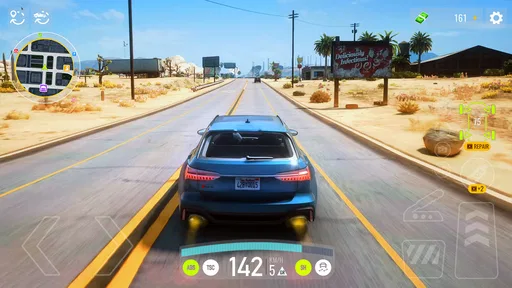
 Analysis by AppCompare
When I first open Real Car Driving Open Sandbox, I treat it less like a race with a finish line and more like a place to settle into the driver’s seat and see what the roads invite me to do. That distinction matters: this is a mobile racing game built around free driving, so the best first session is not necessarily the fastest one. I’d start by getting comfortable with the car and controls, then let the open setting provide the goal. If you want a focused campaign that constantly tells you what to do, this may feel loose; if you want to drive without committing to a long event, that freedom is the appeal.
What to expect from an open driving game
The premise is easy to understand, but an open sandbox can feel aimless if you expect a sequence of races to guide every minute. I find it more satisfying to choose a small personal objective: learn a stretch of road, try a different car, or see how carefully I can handle a corner. That gives a casual session a purpose without turning the game into a checklist. The optional challenges can add structure when free roaming stops being enough, while the lack of a forced route leaves room to switch back to unhurried driving.
It helps to set expectations about the style of racing, too. This is a phone game, not a substitute for a dedicated console simulator or a tightly staged championship racer. Its draw is the chance to roam, experiment, and enjoy driving in short bursts. The city and changing light give you scenery to pass through, and the driving model asks for a little adjustment rather than feeling instantly identical to every arcade racer. I’d approach it as a flexible driving playground, not as a test of precise real-world vehicle handling.
Making the first minutes feel comfortable
At the start, I’d resist the temptation to judge the handling from one quick turn. Choose a control style and give it a short, low-pressure trial on an open stretch. Tilt steering can feel more connected once your hands settle into it, but it may be awkward if you’re playing one-handed or moving around. Button steering is easier to use in those situations, while the virtual wheel may suit someone who likes having a visible steering input. The useful choice is the one you can repeat consistently, not the one that sounds most realistic.
My practical tip is to change only one control or driving habit at a time. If you switch steering style, car, and pace all at once, it becomes hard to tell what caused a mistake. Spend a few turns with one setup, then decide whether you need a different input. This makes the first successful drive less about luck and more about finding a comfortable rhythm. It is also a good way to avoid writing off the game because the default feel does not immediately match your preference.
After that, use a simple first-session routine: drive a short route, pay attention to how the car responds when you turn and recover, then try one optional challenge if you want a clearer target. If the challenge feels too demanding, return to free driving instead of forcing it. The sandbox format is most useful when you let yourself choose the level of pressure. You can still make progress in understanding the handling without treating every run as a performance.
Where new players can get confused
The biggest possible mismatch is expecting a conventional racer to keep feeding you events. The game’s freedom is a strength, but it can also leave you wondering what to do next. I solve that by making a small plan before I start: explore for a few minutes, test one car, or attempt a challenge. Another point to keep in mind is that a realistic-leaning response can feel less forgiving than arcade handling. If you clip something or take a corner badly, slow down and try the same section again rather than assuming the controls are broken.
Worth Reading Before You Choose

Switching to Android Auto Means Rethinking Your Driving Routine

Google Calendar Makes a Crowded Week Easier to Manage

Baby Panda World Brings Quick Play to Modern Phones, but Its Game Library Feels Busy

ESPN’s Live Game View Makes Following Close Games Easier

QuizzLand Review: A Good Fit for Short Trivia Breaks, Not Every Player

Basketball Stars: Multiplayer Is Fast, but Can It Recover When Matches Go Wrong?
There is also a difference between enjoying the idea of customization and needing to tune everything immediately. I’d first learn how the current car behaves, then make changes if you have a specific reason, such as wanting a different look or seeking a different performance feel. Changing several things before you have a baseline can make the car harder to read. A small, deliberate adjustment is more useful than chasing a perfect setup before you know what you actually want from the drive.
Unleashing Your Inner Speed Demon
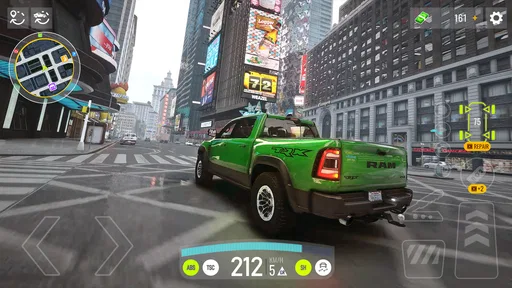
The first thing that got me hooked on Real Car Driving Open Sandbox was the sheer freedom it offers. You start by choosing from a variety of cars, each with its own unique feel and performance. The game doesn’t lock you into any specific path or mission, which is a breath of fresh air if you’re tired of linear gameplay. Instead, you have the entire city as your playground, and trust me, it’s massive. The feeling of barreling down a wide-open highway with nothing but the wind in your hair is something special.
Graphics and Realism
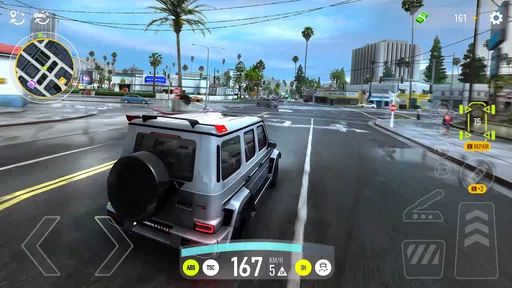
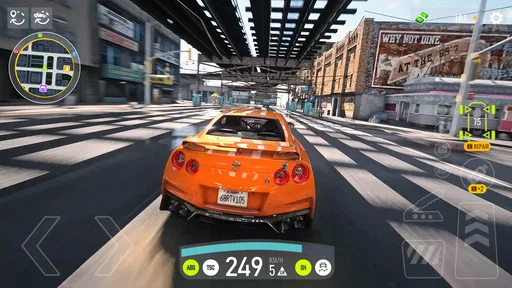
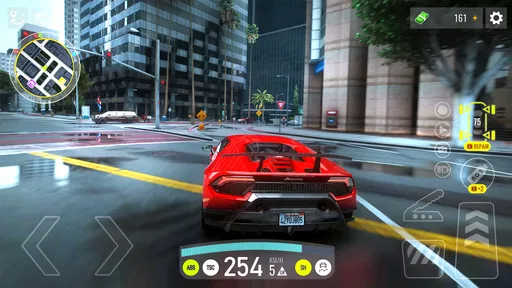
Now, I’m not saying this game is going to give console-quality graphics a run for their money, but for a mobile app, it’s pretty darn impressive. The cars are detailed enough that you’ll find yourself admiring them from all angles. The cityscape is vibrant and alive, complete with traffic, pedestrians, and a day-night cycle that adds a nice touch of realism. It’s the kind of environment that makes you want to explore every nook and cranny.
Gameplay Mechanics
Alright, let’s talk about how this game actually plays. The controls are intuitive, with options to steer using tilt, buttons, or a virtual steering wheel. Personally, I prefer the tilt option for that extra bit of immersion, but hey, you do you. The physics engine is surprisingly realistic, with cars responding to collisions and terrain changes in a way that feels natural. It might take a little getting used to if you’re accustomed to more arcade-style racers, but it’s worth sticking with. You can even customize your ride, tweaking everything from the paint job to performance upgrades.
Soundtrack and Audio Effects
Cranking up the volume is a must with this game. The soundtrack is a mix of adrenaline-pumping tunes designed to keep your heart racing. Coupled with the realistic engine roars and screeching tires, it really completes the immersive experience. Plus, the sound effects are spot-on—whether you’re zooming through a tunnel or splashing through a rain-soaked street, the audio adds an extra layer of enjoyment.
Challenges and Replayability
While the game doesn’t force you into any specific missions, there are plenty of optional challenges scattered around the map. These range from time trials to stunt challenges, which offer a nice change of pace and help keep things interesting. The best part? You can tackle them at your own speed, making it a perfect game for both quick sessions and longer playtimes.
Who will enjoy it, and who may want another racer
Real Car Driving Open Sandbox is a natural fit for someone who likes to dip into a game without first arranging a long session. I can see myself opening it during a quiet break, choosing one simple aim, and putting the phone away once that aim is done. A player who enjoys learning a car by feel, taking a scenic drive, or making their own little challenge will get more from the open format than someone who needs a ranked ladder or a strict championship path.
Compared with the usual mobile racing alternatives, the trade-off is clear. A track-based racer usually gives you a more obvious loop: select an event, race, collect a result, and move on. That can be more satisfying if you want measurable competition every time you play. Here, the reward is often the drive itself, with optional challenges available when you want direction. I’d choose a more structured racer for head-to-head progression; I’d choose this one when I want room to wander and decide my own pace.
A useful routine for a short everyday session
Imagine you have a few minutes before heading out or while waiting for someone. Rather than trying to complete everything, I’d pick one car and use the session to get familiar with a single stretch of the city. On the first pass, focus on steering and braking; on the next, try to take the bends more smoothly. If that starts to feel repetitive, switch to one nearby time trial or stunt challenge. This small routine makes the open map feel purposeful without requiring a big block of free time.
For a longer session, I’d reverse that approach: use a challenge as a starting point, then roam afterward and explore at a slower pace. That way, the event provides an immediate objective, while the open-world driving gives you a softer landing when you no longer want to chase a result. It is a practical way to use the game’s two moods rather than expecting every moment to be equally intense.
Cars, customization, and a sensible pace
Having several cars to choose from is appealing, but variety is most useful when you compare them deliberately. Try one vehicle on the same kind of road before switching to another, and pay attention to the differences you can actually feel. If you change cars and make upgrades at the same time, you may not know which change affected the drive. I’d treat customization as something to explore after I have a baseline, not as a required opening task.
There is a similar trade-off with speed. The game invites you to push the pace, but driving flat out everywhere can make the city blur into scenery and leave little room to appreciate the handling. Slowing down for a section, then opening up on a clearer stretch, gives the drive more variation. It also makes it easier to notice how the car responds when the road or surroundings change, which is more useful for a new player than simply holding the accelerator.
Practical details before you settle in
Zendios is the developer, and the game is free to start. Its average rating is 4.7 from around 45,000 ratings, with over 10 million installs, so it has attracted a sizeable mobile audience. It is rated Teen. Optional in-app purchases range from $0.99 to $19.99 per item, so I’d keep the free experience separate from any decision to spend: first find out whether the driving itself suits you, then consider purchases only if you know what you want and are comfortable with the cost.
The game was released on November 21, 2024, and version 2.2.2 is the current version. It requires Android 7.1 or later, which is worth checking before downloading if you are using an older device. For a first-time player, the practical question is less about chasing every update and more about whether the controls feel comfortable on your screen and whether the open-ended style matches your taste.
How I’d judge the first successful drive
I would not measure a good first session by how many challenges I finish. I’d call it a success if I can steer consistently, understand how my chosen car reacts, and leave with one clear idea of what I want to try next. That might be another vehicle, a different control option, or a challenge that gives the next session a tighter goal. If none of those sounds appealing after a fair try, a more event-driven racing game is probably a better fit, and there is no need to force the sandbox style.
One question new players often have is whether they need to be a car expert to enjoy it. I don’t think so: the game’s open format lets you learn by driving, and you can keep your aims simple. If you prefer clear instructions and constant rewards, though, the freedom may feel like a lack of direction rather than a benefit. The best way to decide is to give yourself one short, specific goal instead of expecting the game to supply a complete itinerary.
The Verdict
So, is Real Car Driving Open Sandbox worth your time? Absolutely. It’s a fantastic choice for anyone craving the freedom to explore and drive at their own pace. The combination of a vast open world, realistic driving mechanics, and engaging audio make it a standout option in the crowded mobile gaming market. Whether you’re a hardcore car enthusiast or just looking for a fun way to unwind, this game has something for everyone. Go ahead, download it, and see for yourself why it’s revving up so much excitement!
My recommendation for a first download
My honest recommendation is to try it for the experience it actually offers: open driving with optional ways to add a challenge, rather than a tightly directed race career. Give the controls a little time, settle on a car before tuning it, and use a small personal goal to make the first drive feel rewarding. That approach makes the game easier to judge fairly and helps you decide whether its freedom is relaxing or simply too unstructured for your taste.
For me, the strongest reason to keep it installed is the ability to choose the mood of a session. I can explore when I want an easygoing drive or take on a challenge when I need a target. If that kind of flexibility sounds appealing, this is a sensible free game to try. If you want every race to have a clear competitive outcome, I’d look for a more structured mobile racer instead.
Pros
- Realistic driving physics enhance immersion.
- Open-world map encourages exploration.
- Customizable controls for tailored experience.
- Variety of vehicles to choose from.
- Offline mode available for on-the-go play.
Cons
- Graphics could be more polished.
- Lacks a storyline for deeper engagement.
- In-app ads can be intrusive.
- Limited multiplayer features.
- Occasional performance lags on older devices.
FAQs for Real Car Driving Open Sandbox
What is Real Car Driving Open Sandbox?
Real Car Driving Open Sandbox is an immersive driving simulation game available on Android and iOS. It offers an open-world environment where players can explore, perform stunts, and complete various missions. The game focuses on providing a realistic driving experience with detailed graphics, dynamic physics, and customizable vehicles.
Does Real Car Driving Open Sandbox require an internet connection to play?
No, Real Car Driving Open Sandbox does not require an internet connection to enjoy the basic gameplay. However, some features such as in-game purchases, updates, or online leaderboards may need connectivity. Players can enjoy the offline mode for exploring the open world and completing missions.
Can I customize my vehicles in Real Car Driving Open Sandbox?
Yes, Real Car Driving Open Sandbox offers extensive customization options for vehicles. Players can modify their cars with different paint jobs, rims, and performance upgrades. This feature allows users to personalize their driving experience and enhance their vehicles’ performance according to their preferences.
Are there any in-app purchases in Real Car Driving Open Sandbox?
Yes, Real Car Driving Open Sandbox includes in-app purchases. These can be used to buy additional vehicles, upgrades, or cosmetic items that enhance the gaming experience. While not necessary to enjoy the game, these purchases can provide added convenience and customization options for players.
What makes Real Car Driving Open Sandbox different from other driving games?
Real Car Driving Open Sandbox stands out due to its open-world sandbox environment, which allows players to explore at their own pace. The game’s realistic physics and detailed graphics contribute to an authentic driving experience. Additionally, its emphasis on customization and variety of missions keep the gameplay engaging and fresh.


